Planning a wedding is not mainly a logistics project. It is a design project, and it asks you to know what you actually want before you start booking. Couples who begin with suppliers and dates usually end up with the average of every decision made on autopilot. Couples who begin with the experience end up with something that genuinely feels like them.
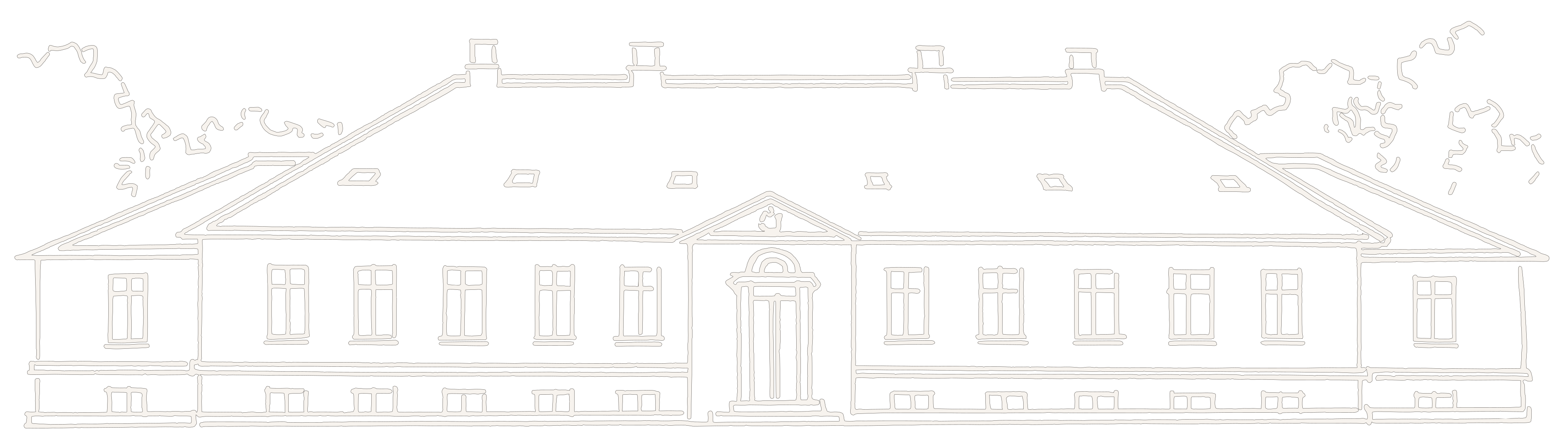
This guide is written from that starting point. It uses Agerup Farm & Manor House, an estate on the Danish island of Lolland, as the concrete example throughout. Not because every wedding looks like Agerup, but because abstract planning advice is no use to anyone. Real numbers, real decisions and a real order of things are what help.
It is written for couples planning a wedding in Denmark from abroad as much as for those who live here, so where something works differently for guests who travel in, it says so.
1. Start with the experience, not the logistics
Decide what the wedding is before you decide what it costs. It sounds obvious. Most couples skip it.
Three questions shape everything that follows:
What is the mood? Formal or relaxed? A wedding that feels like one long dinner with the people you love most, or one that feels like an event? Neither is wrong, but they need fundamentally different venues, suppliers and budgets.
Who is coming? An intimate wedding for 30–50 guests is a different thing from one for 100–120. The number decides the venue, the venue decides the budget, and the budget decides the rest. Write a first guest list before you look at places, not after.
What are the three things that must not go wrong? The food, the music, the photographs, or something else entirely. Name them early and spend accordingly. You cannot perfect everything. You can perfect those three.
The Agerup example: A wedding at Agerup Farm & Manor House is, by definition, for couples who want the whole weekend with both families under one roof, the freedom to choose their own suppliers, and a place with real character where the owner himself is the host. If one of those three is not true for you, Agerup is probably not the right place.
→ A wedding at Agerup Farm & Manor House
2. When should you book the venue?
A wedding can easily be planned in six months. Book earlier and you have more dates to choose from, because the popular Saturdays in June, July and August go first. Do not wait until everything else is settled before you turn to the venue: everything else depends on it.
Six months can look like this:
6 months before (or earlier, if you want more dates to choose from): Visit venues and book the one you choose straight away. A date is only yours once it is booked. Then book catering, the photographer and music.
4–5 months before: Invitations, an accommodation plan, flowers and, if you want one, a coordinator.
2–3 months before: The menu, a first seating plan and guest logistics.
The final month: Finish the guest list, the seating plan and the briefings; avoid new big decisions.
If most of your guests travel in: send the date earlier than you otherwise would. Guests flying to Denmark book flights and time off months ahead, and they need to know where to stay before they book.
The Agerup example: Agerup Farm & Manor House hosts one wedding at a time, and the wedding season runs from May to September, so there is a limited number of summer dates each year. The price calculator shows the hire for a whole weekend and for the extras.
3. The guest list decides everything
The number of guests is the variable with the biggest consequences for every other decision. It is not mainly a budget question. It is a question of what kind of day you are designing.
30–50 guests: An intimate wedding where everyone can know everyone. The seating plan is fairly simple. Catering is easier. The music does not have to fill a large room. Accommodation for every guest is realistic at most manor houses.
60–90 guests: The usual size for a Danish wedding. A good balance between closeness and celebration. It needs a venue that can serve dinner at that size and has enough beds for the people closest to you.
100–120+ guests: A big celebration. The logistics are more complex, catering costs more, and the number of guests who can stay on site is limited to what the venue offers.
Make three lists, not one:
- A list: the people you would not be without. Always invited.
- B list: you would like them there. Depends on space and budget.
- C list: invited only if there is room. Lovely, but not essential.
Send the A list a save the date as soon as the date is booked. B and C can wait for the invitations.
The Agerup example: The Manor Barn seats up to 128 guests. The Manor House has 23 beds and is included in every hire. The Major's House has 9 beds and can be added. That means up to 32 guests can sleep on the estate. In practice the couple and both families stay in the Manor House, and other guests stay nearby: Hotel Saxkjøbing and Danhostel Sakskøbing are about 10 minutes away, Milling Hotel Søpark in Maribo about 12 minutes and Bandholm Badehotel about 16 minutes. These are local options, not recommendations.
4. Choosing a venue: what to actually look for
A wedding venue is not just a room. It is the frame for what the weekend becomes. Three questions matter more than price and looks:
Can your guests sleep there? A wedding that ends with everyone driving home at 11pm has a fixed ending. A wedding where both families sleep on site has a Sunday morning, and that is often the part people remember best. Do not just ask "is there accommodation?", ask "who sleeps there, and how?"
Who controls the catering and suppliers? Venues with in-house catering and supplier lists give you one version of a wedding. Venues without in-house catering give you the freedom, and the responsibility, to put it together yourselves. Neither is right or wrong. Choose on purpose.
Who is the host? A venue manager working to a schedule? A coordinator who knows the place? The owner who lives there? The answer changes the experience fundamentally. A place run by a professional venue manager works well but is not personal. A place owned and run by the family behind it is something else.
Kinds of venue in Denmark:
Hotel and conference venue: professional, package based, everything or nearly everything included. Skilled coordination, but you are guests in a hotel.
Barn venues: often flexible about suppliers, but rarely with beds on site. Many couples find local B&Bs and hotels for their guests.
Manor houses with hotel rooms: a barn and beds, but in hotel rooms. Good service, a defined product.
Manor barn wedding: the barn for the celebration and the manor house as a shared home for the family all weekend. No hotel rooms and no reception desk. The whole house is your home for a weekend, a home and not a hotel. In Danish the category has its own name, herregårdslade.
→ A wedding at Agerup Farm & Manor House
5. Budget: spend on what matters most to you
A wedding budget is more elastic than it looks. Most items can cost almost nothing or a great deal, and where the money goes is your choice.
The venue. The hire is fixed for the whole weekend and does not depend on the number of guests. The price calculator shows the amount for your year and your extras.
Food and drink. Three courses from a caterer typically cost from DKK 300 to 1,200 per person without drinks, and drinks DKK 100 to 400 per person. Some couples have served a whole roast pig with potato salad and cans of beer, others a fine three course dinner with good wine.
Tableware. It can often be hired through the caterer. From a hire company it typically costs from about DKK 45 per person.
Music. A playlist or a job for a few friends, or a bigger item with a DJ or a band.
Flowers and decoration. Beech branches from the woods and flowers from the meadow cost nothing. From there it can grow into a larger item with a florist.
Photographer. The pictures matter, but a professional photographer is a choice and not a requirement. A friend with a camera can take them too.
Marquee. You do not need one at Agerup, because the barn is the wet weather plan. If you want one anyway, it stands on the paving by the orangery, not in the park.
→ See the price for your weekend
Tip: Set aside 10–15% of the budget as a buffer. Something always costs more than the quote suggests. The wine runs out. The schedule slips. One more hour with the band. A buffer is not waste. It is insurance against ending the night with a bill that spoils the mood.
6. Accommodation, the most underestimated part of wedding planning
Where your guests sleep is the question most couples underestimate. It looks practical. It is really about what kind of weekend you are making.
A wedding that ends with everyone driving home, or into a hotel in the nearest town, has a set finishing time. At 11pm people start to say goodbye. By 1am most have gone. That is not a mistake. It is just what happens.
A wedding that ends with both families and your closest friends asleep on site has a different rhythm. The evening does not have to end with a bus departure. At Agerup, music by the orangery ends at 11pm, and the party carries on in the barn after that. Sunday morning is part of the weekend, not an afterthought.
For weddings that last the whole weekend: make an accommodation plan as soon as the venue is booked. Divide your guests:
- On site: the two of you, both families, the people closest to you. At Agerup Farm & Manor House: 23 in the Manor House (included), 9 in the Major's House (an extra).
- Close by: best friends, siblings, the people you want near. Find B&Bs, farm stays and holiday homes nearby. From Agerup it is a 10 to 16 minute drive to hotels in Sakskøbing, Maribo and Bandholm.
- Independent: guests who will manage on their own. They do not need a guide.
Put an accommodation note in the invitation. Not an obligation, an offer: "Here is what we know about places to stay nearby. Book early."
For guests travelling from abroad: Agerup is on Lolland, about 1 hour 35 minutes south of Copenhagen by car and about 3 hours from Hamburg with the Puttgarden–Rødby ferry. Guests flying in land at Copenhagen Airport and either hire a car or take the train to Sakskøbing, 5 km from the estate. A shuttle for your guests can be arranged with a local bus company. Tell them all of this in the invitation, so nobody is working it out the week before.
The Agerup example: Up to 32 guests can sleep on the estate. The Manor House's 23 beds are included at no extra cost. The Major's House, with 9 beds, can be added, and the price calculator shows its price. For most couples that means both families and their closest friends sleep on the estate. Sunday morning is part of the hire.
7. Catering and suppliers: who, and in what order
Choosing suppliers is not a list to tick off in one go. It is an order, because they depend on each other.
Book in this order:
1. Venue. Everything else depends on where and when you marry.
2. Catering. The most important single choice after the venue. The food is what guests remember. A wedding with mediocre food is remembered for mediocre food, however beautiful the rest was. Take your time over this choice. It is where most couples spend the most.
At Agerup Farm & Manor House there is no in-house catering. You choose and hire your own. That is the freedom to choose exactly what you want, and the responsibility to find the right company. There is a list of local caterers. They are local options and not recommendations, because only you know your own tastes. The caterer is welcome to use the Manor House kitchen, and most caterers used to working on location manage with good worktables and access to power.
3. Photographer. Popular wedding photographers can be booked up on summer Saturdays, so book yours right after the venue. The portfolio is what counts here. Meet the photographer before you book, because the chemistry affects whether you relax in front of the camera.
4. Music. A live band makes a different atmosphere from a DJ and usually costs more. Both are good choices. Pick the one that fits the wedding you designed in step 1.
5. Florist and the rest. Important, but not critical in the booking order. Most florists and marquee hire companies can be booked six months ahead.
6. The ceremony. A church wedding, a civil marriage or a symbolic ceremony. At Agerup you can marry in one of the parish's two churches, Våbensted Church and Engestofte Church, if one of you is a member of the Church of Denmark. A Danish civil marriage has documentation requirements that vary by nationality and change over time; check the current rules with Familieretshuset (the Danish Agency of Family Law). Couples have married civilly at Agerup, but Guldborgsund Municipality's practice changes, so check the current options with the municipality. Another option is to marry legally at home and hold a symbolic ceremony at the estate. Whatever you choose, design the moment itself, because it is the emotional high point. Do not underestimate it.
At places like Agerup, where you put the suppliers together yourselves: you are the project manager of the weekend. That gives you the freedom to shape it as you want, while Frederik is the host and your contact on site.
8. The shape of the weekend: Friday, Saturday and Sunday
A wedding that lasts the whole weekend is three different occasions in one. Plan them separately.
Friday: Preparation and arrival. At Agerup the weekend begins on Thursday or Friday: the barn is set up and decorated, and family and close friends help. In the evening a relaxed get-together works better than a planned event, for example around the fire pit by the orangery. An open fire is agreed in writing with Frederik beforehand. No speeches. No schedule. Just time to arrive and for the two families to meet.
Saturday: The wedding. Ceremony, reception, dinner and party. The full programme.
A good outline for a wedding with the ceremony in the park:
- 14:00: Guests arrive
- 15:00: Ceremony in the park (the barn is always ready if it rains)
- 15:30: Reception and a welcome drink in the garden or by the orangery
- 17:30: Dinner in the barn
- 22:00: First dance, dessert and cake
- 23:00: Party and music in the barn
It is not a rigid plan. It is a skeleton. The day flies by, and as long as there is a little food, snacks and something to drink, including something without alcohol and especially on hot summer days, everyone is happy. Leave room in the programme for people to talk and to get ready for dinner.
Sunday: The underrated high point. Brunch with the people closest to you, presents opened together, and afterwards everyone tidies up. It takes 1–2 hours when everyone helps. It is often what guests remember best, precisely because it was not planned.
9. The seating plan: not a puzzle, a design choice
The seating plan is one of the most underrated wedding tasks. See it as your chance to start new friendships among your family and friends.
The Danish traditions: The couple sit side by side, the groom on the left and the bride on the right. Often the bride sits with her father-in-law and the groom with his mother-in-law, and beyond that there are no fixed rules. Where possible men and women alternate, each man on the left of his dinner partner. If there are too many of one or the other, make the best mix you can. Seating couples next to each other is unusual at a Danish wedding.
Mix your circles: It can feel safe to seat people who already know each other and get on, but it brings little new. If you have two groups of friends, think about how they mix best. Start by pairing dinner partners and ask yourselves why those two should sit side by side. As a guest it is fun to know the hosts chose this seat for you. There is probably a reason, and you can go looking for it in conversation.
The generations: A wedding often brings several generations together. You can mix them or seat tables roughly by age; both work, and each gives different conversations.
Remember that a wedding brings two people, two families and two groups of friends together. Splitting them up in the seating plan is a missed chance.
The Agerup example: The Manor Barn seats up to 128 guests at long or round tables. The estate has 18 round tables of 153 cm, each seating 8, and the long tables are very narrow, which makes it easier to talk with more people at the table. For larger parties a seating chart helps everyone find their place.
10. What goes wrong, and what does not
Something always goes wrong. The weather, a late supplier, a speech that overruns, a family tension simmering. It is not a sign the planning was poor. It is the wedding day.
What actually spoils a wedding:
- Poor food. Guests forgive almost anything, but not mediocre food.
- A gap in the programme that nobody knows what to do with. Coordinate the timeline with the caterer and the venue. Close the gaps.
- A confrontation nobody prepared for. Think through who meets where: at the table, but also on arrival, at the reception and at departure.
What does not spoil a wedding:
- Rain. It makes photographs with character and stories to tell, and at Agerup the barn is always ready.
- A speech that runs long. Everyone remembers the good part.
- A flower that wilts. Nobody notices.
- A reception that changes order. The guests never knew the plan.
The principle that matters: The mood is what people remember, not the details. A wedding with ordinary table decorations and a wonderful atmosphere is remembered as a wonderful wedding. A perfectly planned wedding with a flat atmosphere is remembered as flat. Put the mood before the detail.
11. Sustainability, and choices that need no certificate
Many couples want a wedding that reflects their values without turning it into a performative green checklist. That is a fair wish, and it is easier than it sounds.
Concrete choices that make a real difference:
Local produce and local suppliers. Choose a caterer who works with local producers. Ask directly what they actually do. Vague talk of "sustainability" is not an answer.
Plant based dishes as part of the menu, not the whole menu. A wedding with a mostly plant based menu is realistic and well made by many caterers. Fully plant based takes more work and is not for every party.
Seasonal flowers from a local grower. Avoid flowers flown in out of season. Denmark has local growers with seasonal flowers of a different character and a smaller footprint. At Agerup you are welcome to pick flowers in the meadows and the woods.
Reusable or biodegradable materials. Be specific: what can be reused, and what is single use.
The Agerup example: Most of Agerup's land is let to a tenant and farmed conventionally. The plan is to work with cattle and conservation grazing on the meadows and fallow land, and regenerative farming is the long term vision. The estate is not certified and says so plainly.
Quick checklist: when do you do what?
6 months before (or earlier, if you want more dates to choose from)
- [ ] Decide the experience, the mood and the size of the guest list
- [ ] Book the venue and the date
- [ ] Send a save the date to the A list (earlier if most guests fly in)
- [ ] Book catering, the photographer and music (band or DJ)
4–5 months before
- [ ] Send the invitations, with travel and accommodation notes
- [ ] Make an accommodation plan and share it with guests
- [ ] Flowers and, if you want one, an event coordinator
2–3 months before
- [ ] Settle the menu with the caterer
- [ ] Seating plan (first draft)
- [ ] Guest logistics: shuttle bus, parking, local accommodation
- [ ] Finalise the programme for all three days
The final month
- [ ] Final guest list and seating plan
- [ ] Supplier meetings and briefings
- [ ] Details and decoration
The last week
- No new decisions. Only doing.
- Agree who helps set up on Friday and tidy up on Sunday.
Ready to look at a real place?
If the wedding described here, a whole weekend, both families under one roof, the barn for the celebration and catering on your own terms, sounds like what you are looking for, Agerup Farm & Manor House is the place to start.
Frederik Reventlow always shows couples around himself before they decide, and he checks you in himself. You meet the owner, not an events employee, and you can always call him. The Manor House has at times been Frederik and Lea's home.
The Reventlow family has been connected with Agerup since 1799. The Manor House was built in 1858–1860, and the barn was built for the estate's farm.
→ A wedding at Agerup Farm & Manor House: what is included, and what does it cost? → Meet Frederik and book a tour